
Mug And Cup
Mug and Cup: Key Differences Explained in This Guide
Jan
Understanding the Differences Between Mugs and Cups
Quick Answer: Mugs are typically larger, with sturdy handles and wide openings, while cups are smaller, often paired with saucers, and used for serving beverages like tea or coffee.
What Are Mugs and Cups?
Mugs and cups are essential vessels for enjoying a variety of beverages, each designed with specific attributes catering to different drinking experiences. While they may seem similar at first glance, there are distinct differences between a mug and a cup that are worth noting.
A mug is typically characterized by its larger size and sturdy handle, making it ideal for drinks like coffee, tea, or hot chocolate. Mugs often have a thicker construction, which helps retain heat for longer periods. They can be made from various materials, including ceramic, glass, and stainless steel, and are often adorned with colorful designs or slogans.
The standard capacity for a mug usually ranges from 8 to 16 ounces, although larger sizes are not uncommon.
In contrast, a cup generally refers to a smaller drinking vessel, often accompanied by a saucer. Cups are traditionally used for serving tea or espresso and typically hold between 4 to 8 ounces. They tend to have a more delicate construction, sometimes made of fine china or porcelain, which adds an element of elegance to the drinking experience.
The accompanying saucer serves both functional and aesthetic purposes, providing a place to set the cup down and collecting any drips that may occur.
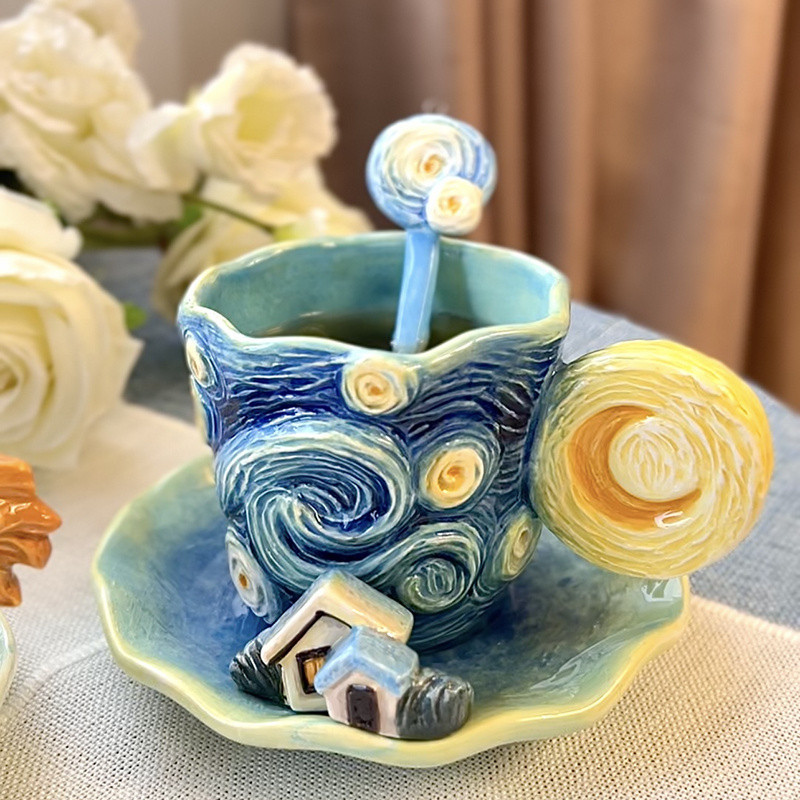
Many consumers enjoy using a mug with saucer combination, which bridges the gap between casual and formal dining. This pairing enhances the presentation of beverages while maintaining the practicality of a mug. A mug and saucer set can be an attractive addition to any kitchen, serving for both everyday use and special occasions.
For more detailed information on the design and history of mugs and cups, you can visit Wikipedia’s page on tea utensils, which provides insights into their cultural significance and usage around the world.
Key Features of Mugs
Mugs are versatile drinking vessels that serve various purposes and come with several key features that distinguish them from other types of drinkware, such as cups. Understanding these features can help consumers make informed choices when selecting a mug or cup for their needs.
Design and Size
Mugs typically have a larger capacity compared to standard cups, often ranging from 8 to 16 ounces. This makes them ideal for beverages like coffee, tea, or hot chocolate, where larger servings are preferred. Additionally, they are designed with a sturdy handle that allows for easy gripping, enhancing user comfort.
Materials
Mugs are constructed from a variety of materials, including ceramic, glass, stainless steel, and plastic. Each material offers unique benefits: – Ceramic: Excellent for heat retention and often available in countless designs, making them popular for personal or decorative use. – Glass: Provides a clear view of the beverage, adding an aesthetic element, while also being easy to clean. – Stainless Steel: Known for durability and insulation properties, making them suitable for travel or outdoor activities. – Plastic: Lightweight and durable, often used for casual settings or children’s mugs.
Versatility
Many mugs are designed to be used in conjunction with a mug and saucer set, which provides additional functionality. A mug with saucer can prevent spills and catch drips, making it practical for both home and professional environments. This combination also adds a touch of elegance, especially in formal settings.
Insulation Features
Some modern mugs come with double-walled construction or vacuum insulation, which helps maintain the temperature of hot or cold beverages for extended periods. This feature enhances the drinking experience, ensuring that the beverage remains at the desired temperature longer than traditional single-walled mugs.
Customization
Mugs offer significant opportunities for personalization. They can easily be printed with logos, images, or text, making them popular choices for gifts or promotional items. This adaptability is a major reason why both mugs and cups are widely favored in various settings, from homes to corporate environments.
For further details regarding the history and variations of mugs, you may refer to Wikipedia.
Key Features of Cups
Cups come in a variety of shapes, sizes, and materials, each designed for specific purposes and preferences. Understanding the key features of cups can enhance your beverage experience, whether you are enjoying coffee, tea, or other beverages.
Design and Shape
Cups typically feature a cylindrical shape, which allows for efficient heat retention. The design can vary widely, from traditional styles to modern aesthetics. Some cups have a wider rim, which can enhance the aroma of beverages, while others may be more tapered. This variation can significantly impact the overall drinking experience.
Material
The material of a cup influences both functionality and aesthetic appeal. Common materials include:
- Ceramic: Known for its durability and ability to retain heat, ceramic cups are often used for both casual and formal dining.
- Glass: Clear glass cups allow for a visual appreciation of the drink, making them popular for serving beverages like tea and cocktails.
- Stainless Steel: Often used for travel mugs, stainless steel offers excellent insulation and durability.
Capacity
The capacity of a cup is another important feature, typically ranging from 6 to 16 ounces. Standard coffee cups usually hold around 8 to 12 ounces, while larger mugs can accommodate more. The size you choose can affect the quantity of your favorite beverage and may cater to your drinking habits.
Handle
Most cups come equipped with a handle for ease of use. The handle’s design can vary, impacting comfort and grip. Some mugs and cups feature ergonomic handles, allowing for a secure hold, while others may have decorative handles that prioritize aesthetics over functionality.
Versatility
Cups can serve a variety of purposes beyond just holding beverages. For instance, a mug and saucer set not only provides a stylish way to serve drinks but also helps catch drips, making it practical for use in formal settings. Additionally, specialized cups, such as those for cappuccinos or lattes, may have unique features tailored to specific drinks.
For those interested in exploring more about the various types of cups and their applications, the Wikipedia page on cups provides an extensive overview.
Mug and Saucer: The Perfect Pair
Mugs and saucers have long been celebrated as a classic combination in the realm of beverage service. The mug and saucer duo provides both functionality and elegance, making it an ideal choice for various settings, from casual coffee breaks to formal tea gatherings.
A mug with saucer serves multiple purposes. The saucer not only catches any drips or spills from the mug, but it also provides a convenient resting place for a spoon or a tea bag. This enhances the overall experience by ensuring that the drinker has everything they need in one place.
Additionally, the saucer can help maintain the temperature of hot beverages, allowing for a more enjoyable drinking experience.
When considering a mug and saucer set, one should take into account the materials used. Traditional porcelain sets are favored for their durability and aesthetic appeal, often featuring intricate designs that can elevate the table setting. On the other hand, ceramic or glass options can offer a more contemporary look while still providing the necessary functionality.
In terms of design, the versatility of mugs and saucers is noteworthy. They come in a variety of styles, colors, and patterns, allowing individuals to express their personal taste. Whether one prefers a minimalist design or a vibrant, patterned look, there is a set available to match virtually any decor.
Moreover, many people appreciate the sentimental value of a mug and saucer set, often passed down through generations or gifted on special occasions. This connection to personal history adds another layer of significance to the choice of a mug and saucer.
For those interested in deeper exploration of the history and cultural significance of these items, resources such as the Wikipedia page on teacups offer valuable insights. Understanding the evolution of drinkware can enhance appreciation for the mug and saucer pairing and its role in social rituals around the world.
The Benefits of Using a Mug with Saucer
The use of a mug with saucer offers several advantages, particularly in enhancing the drinking experience and maintaining cleanliness.
Elevated Presentation
One of the primary benefits of a mug and saucer set is its aesthetic appeal. The combination creates a polished look, making it ideal for formal occasions or when hosting guests. A well-designed mug with saucer can elevate a simple beverage into a sophisticated presentation, reflecting the host’s attention to detail.
Practical Functionality
A saucer serves a functional purpose beyond aesthetics. It provides a designated space for spills or drips, ensuring that surfaces remain clean. This is particularly important when enjoying hot beverages, as condensation may accumulate on the exterior of a mug.
The saucer catches any liquid, preventing unsightly stains on tables or countertops.
Versatile Usage
The mug with saucer design is versatile, accommodating various beverages. Whether it’s tea, coffee, or hot chocolate, the pairing enhances the enjoyment of the drink. Saucers can also be used to hold a tea bag, a spoon, or even a small snack, making it a convenient choice for leisurely sipping.
Enhancing Temperature Retention
Another advantage is that the saucer can help maintain the temperature of the beverage. By covering the mug with the saucer while the drink steeps or cools, it can keep the contents warmer for a more extended period, allowing for a more enjoyable drinking experience.
Cultural and Historical Significance
Using a mug with saucer is steeped in tradition, particularly in cultures where tea or coffee drinking is a ritual. For example, in many European countries, this combination is standard, symbolizing hospitality and warmth.
For more insights on the cultural significance of drinking vessels, you may refer to Wikipedia’s entry on drinking vessels.
In summary, a mug with saucer not only serves practical functions but also adds an element of elegance to the drinking experience, making it a worthwhile addition to any table setting.
Choosing the Right Mug and Saucer Set
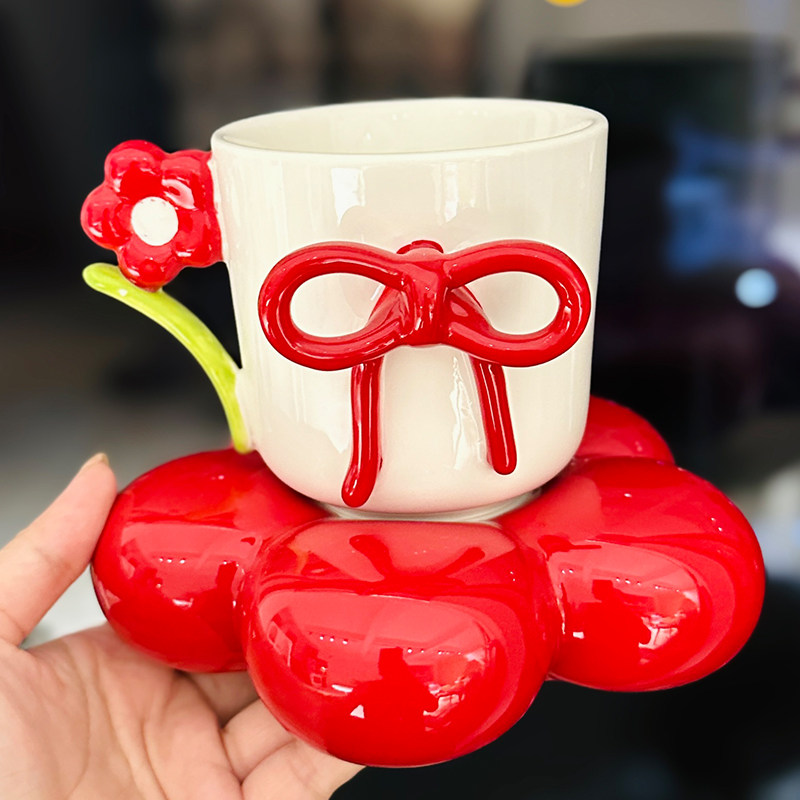
When selecting a mug and saucer set, several factors come into play to ensure that your choice complements both your aesthetic preferences and functional needs. Here are some key considerations:
Material
The material of the mug and saucer set can significantly influence its durability and appearance. Common materials include:
- Ceramic: Known for its versatility and classic look, ceramic mugs offer good heat retention.
- Porcelain: Often used for more formal settings, porcelain is usually thinner and has a more refined appearance.
- Glass: A stylish option that allows you to showcase your beverage, glass mugs can be both functional and decorative.
- Stainless Steel: Ideal for those who prefer a more modern look, stainless steel is durable and often insulated.
Size and Shape
The size of the mug should match your drinking habits. For instance, if you enjoy larger servings of coffee or tea, consider a mug with saucer that offers ample volume. Additionally, the shape can affect the drinking experience; some may prefer a wider rim for a more relaxed sipping experience, while others might opt for a narrower design that concentrates flavors.
Design and Aesthetics
The aesthetic appeal of your mug and saucer set can enhance your dining experience. From minimalist styles to intricate patterns, the design should reflect your personal taste and complement your kitchen or dining decor. Consider themed sets for special occasions or everyday use that match your existing dishware.
Note: Always check for compatibility between the mug and saucer sizes, as mismatched sets can detract from the overall presentation.
Functionality
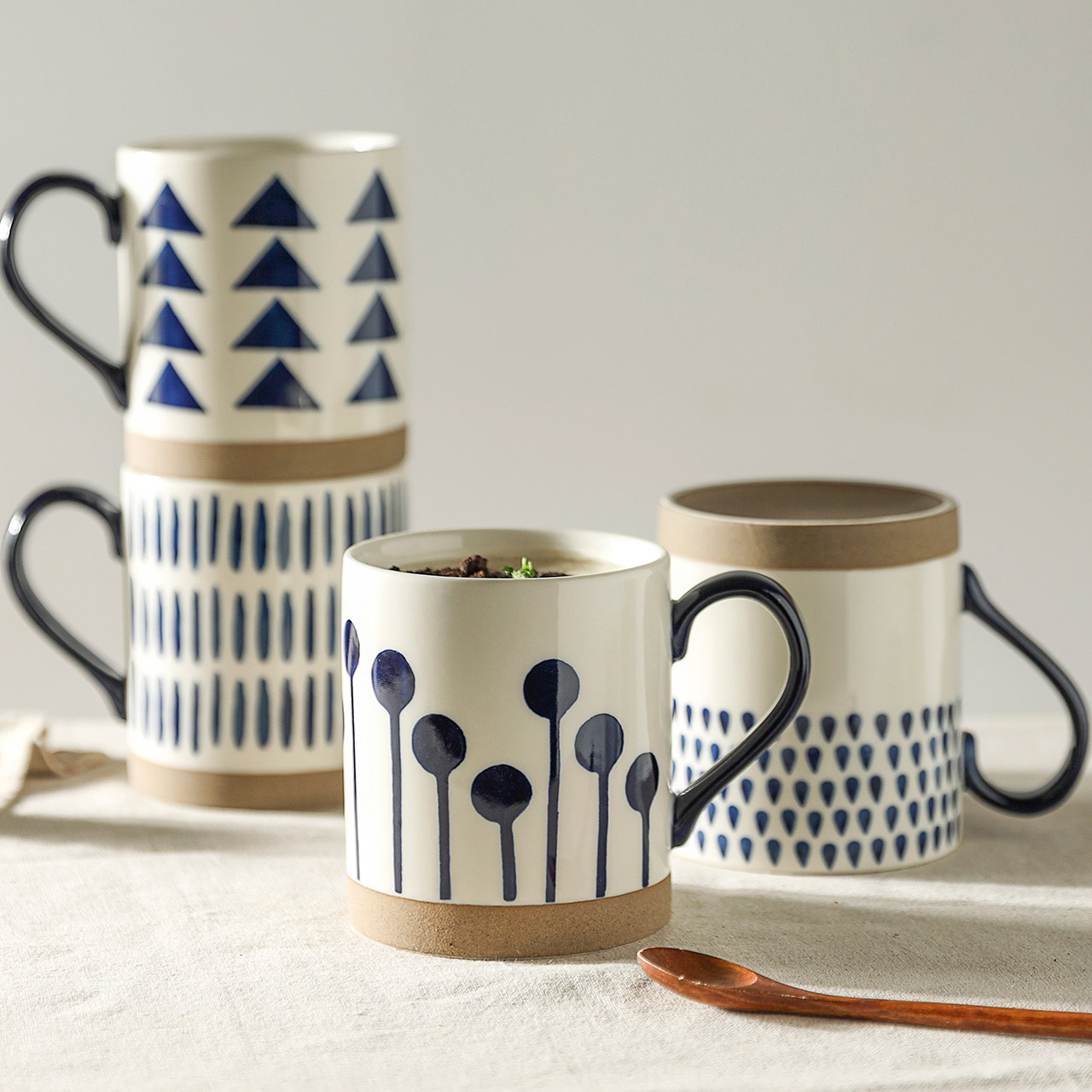
Lastly, consider the functionality of the mug and saucer set. Some sets are microwave and dishwasher safe, while others may require hand washing. If you plan to use them frequently, prioritize durability and ease of care.
When choosing a mug and cup combination, keep these factors in mind to select a set that not only serves its purpose but also enhances your enjoyment of beverages. For more detailed information on various materials and their properties, you can visit Wikipedia’s page on ceramics.
Mugs vs. Cups: A Comparative Analysis
Mugs and cups are both popular vessels for beverages, but they serve different purposes and have distinct characteristics. Understanding these differences can enhance your beverage experience, whether you are enjoying coffee, tea, or other hot drinks.
Design and Structure
Mugs are typically larger than cups, with a capacity ranging from 8 to 16 ounces. They often feature a sturdy handle, making them ideal for holding hot drinks without the risk of burning your fingers. Mugs are often made from ceramic or stoneware and may feature a thicker wall, which helps to retain heat.
In contrast, cups are generally smaller, holding about 6 to 8 ounces. They are often accompanied by a saucer, forming a mug and saucer set or a cup and saucer set. Cups tend to have a more delicate design and may be made from porcelain or fine china, which can influence their aesthetic appeal and usage.
Functionality and Usage
The choice between a mug and cup often depends on the context of use. Mugs are frequently used for casual settings and everyday beverages. They are popular for coffee, hot chocolate, and other hearty drinks, making them a staple in kitchens and coffee shops alike.
The larger size allows for more substantial servings, which is particularly appreciated in a fast-paced environment.
On the other hand, cups are typically reserved for more formal occasions. When serving tea, for instance, a cup and saucer set adds an element of elegance to the presentation. The saucer not only serves as a base for the cup but also catches any drips, enhancing cleanliness and tidiness.
Cultural and Social Context
Culturally, the use of mugs and cups can vary significantly. For example, in Western cultures, it is common to see coffee served in mugs, while tea is traditionally served in cups. In some Asian cultures, tea is often served in small, delicate cups, reflecting the importance placed on presentation and ritual.
In conclusion, while both mugs and cups are essential for enjoying beverages, their differences in size, design, and cultural significance make each suitable for specific occasions and preferences. For more detailed information on the history and variations of these drinkware options, you can read more on Wikipedia.
Trends in Mug and Cup Design
The world of mug and cup design is continuously evolving, influenced by cultural trends, technological advancements, and shifts in consumer preferences. As people seek to express their individuality and enhance their drinking experience, designers are exploring various styles, materials, and functionalities.
Current Design Trends
-
Sustainable Materials: There is a significant shift towards eco-friendly materials in the creation of mugs and cups. Many manufacturers are opting for biodegradable, recycled, or sustainably sourced materials, reflecting a growing consumer demand for environmentally responsible products.
-
Minimalism: The minimalist design trend remains strong, characterized by clean lines, simple shapes, and a focus on functionality. This approach often results in a mug or cup that is not only aesthetically pleasing but also easy to handle and stack.
-
Personalization: Customization options are increasingly popular, allowing consumers to personalize their mug and saucer sets. This trend includes monogramming, unique graphics, or even bespoke shapes, catering to the desire for individuality in everyday items.
-
Artisanal Craftsmanship: There is a renewed appreciation for handcrafted items, with many consumers favoring artisanal mugs and cups that showcase unique designs and textures. This trend often embraces imperfections, highlighting the beauty of handmade craftsmanship over mass-produced items.
-
Functional Innovations: Advancements in technology have led to innovative designs that enhance the user experience. For example, mugs with saucers that feature built-in coasters or temperature-regulating materials are becoming more common, blending practicality with style.
-
Retro and Vintage Styles: Nostalgic designs are making a comeback, with many brands drawing inspiration from past decades. Vintage patterns, colors, and shapes are being reimagined in contemporary ways, appealing to a wide range of consumers.
It’s essential to consider how these trends impact not only aesthetics but also the overall functionality of the mug and cup. As these designs evolve, they will likely continue to reflect changing societal values and lifestyle preferences.
For further insights into the evolution of cup and mug designs, you can explore this article on Wikipedia.
Data Analysis
Comparison of Mug and Cup Types
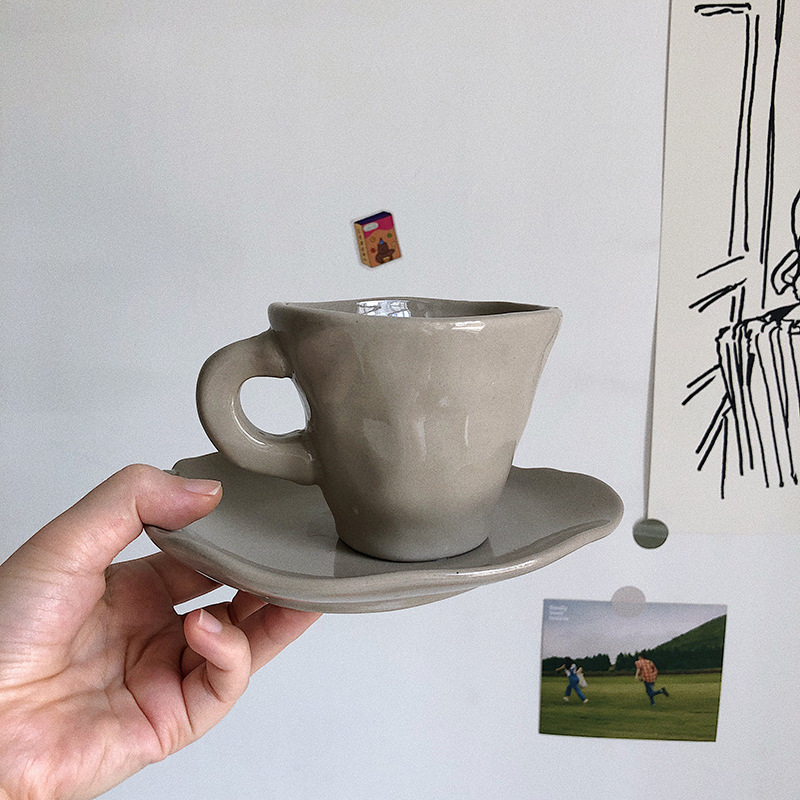
| Type | Material | Typical Use |
|---|---|---|
| Mug | Ceramic or Glass | Coffee or Tea |
| Cup | Porcelain or Bone China | Tea or Dessert |
| Mug with Saucer | Ceramic | Coffee with Saucer |
| Mug and Saucer Set | Porcelain | Elegant Serving for Beverages |
Mug and Saucer Set Features
| Feature | Mug | Saucer |
|---|---|---|
| Capacity | 300-450 ml | N/A |
| Design Variety | High | Moderate |
| Heat Retention | Good | N/A |
| Usage Occasions | Daily Use | Formal Settings |
Quick Answers As Expert Tips
What are the features of a mug and saucer?
Quick Answer: A mug is a cylindrical vessel with a handle, while a saucer is a shallow dish designed to hold a cup.
Mugs are often made from ceramic, glass, or metal and feature a wide opening and a comfortable handle for easy grip. They can range in sizes and designs, catering to various beverages such as coffee, tea, or hot chocolate. The saucer, on the other hand, is a small, flat dish that serves to catch drips and provide stability for the cup, usually complementing its design.
The combination of a mug and saucer creates an aesthetically pleasing presentation, particularly in formal settings. While mugs are generally used for casual and everyday drinking, the saucer adds a touch of elegance and practicality, maintaining tidiness as you enjoy your warm beverages. Mugs and saucers can be coordinated in terms of color, pattern, and material, enhancing their functional and decorative significance.
What is a mug with a saucer typically used for?
Quick Answer: A mug with a saucer is primarily used for enjoying hot beverages like coffee and tea.
Using a mug with a saucer is common in both everyday settings and more formal occasions. The setup provides a refined way to serve hot drinks, making it ideal for serving coffee, tea, or even desserts like hot chocolate with whipped cream. The saucer collects potential drips from the mug, ensuring that surfaces remain clean and providing a place to set down the spoon or snack.
Additionally, the mug and saucer arrangement often comes into play during afternoon teas or casual gatherings with friends. The combination enhances the social experience, as guests can appreciate the style and etiquette associated with a polished drink presentation. The mug’s handle allows for easy sipping, while the saucer serves as an elegant base for carrying the drink to the table or enjoying snacks alongside.
How do I choose a mug and saucer set?
Quick Answer: Consider material, design, size, and intended use when selecting a mug and saucer set.
When choosing a mug and saucer set, it’s important to consider the material first. Common options include porcelain, ceramic, glass, and stoneware. Each material possesses unique features such as durability, insulation, and aesthetic appeal.
For example, porcelain sets come in elegant designs ideal for formal occasions, while ceramic options are often more durable and suitable for everyday use.
Next, think about the size of the mug and saucer. Mugs come in various capacities, from small espresso cups to larger coffee mugs, which influences how much beverage they hold. Pairing the appropriate saucer ensures that it can adequately support the mug without tipping or slipping.
Additionally, consider the design elements that resonate with your personal style or suit the occasion—this could include patterns, colors, or shapes that can enhance the overall dining experience.
Are there specific designs for mugs and saucers?
Quick Answer: Yes, mugs and saucers come in a wide range of designs, including floral, modern, and themed motifs.
Various designs exist for mugs and saucers, catering to different tastes and occasions. Floral patterns, for instance, can convey a classic and feminine touch, suitable for tea parties, while geometric designs often appeal to a more contemporary aesthetic. Many manufacturers offer themed collections that reflect seasons, holidays, or pop culture, enabling hosts to match drinkware to event themes or personal preferences.
Moreover, personalization has become increasingly popular, with options for monograms or custom messages stamped or printed on mugs and saucers. This adds a unique element to space and can serve as memorable gifts for special occasions. Collectors often gravitate towards specialty sets created by artisans or luxury brands, showcasing exquisite craftsmanship and artistic designs that can serve as display items in addition to functional drinkware.
Frequently Asked Questions
What is the difference between a mug and a cup?
A mug is typically larger and has a thicker handle, designed for hot beverages like coffee or tea. A cup usually has a smaller capacity and is often used with saucers.
Can I use a mug with saucer for serving tea?
Yes, a mug with saucer can be a stylish choice for serving tea. The saucer provides a place for any spills and adds a touch of elegance.
What should I look for in a mug and saucer set?
When choosing a mug and saucer set, consider the material, size, and design. Look for sets that are microwave and dishwasher safe for convenience.
Are there any specific care instructions for a mug and saucer set?
Care instructions can vary, but most mug and saucer sets are dishwasher safe. It is good to check the manufacturer’s recommendations to avoid any damage.
What types of materials are commonly used for mug and cup sets?
Mug and cup sets are often made from ceramic, porcelain, glass, or stainless steel. Each material offers different benefits, such as heat retention and durability.
Key Takeaways
- A mug and cup differ in size and design with mugs typically being larger.
- Mugs are often paired with saucers to enhance aesthetics and functionality.
- Choosing a mug and saucer set adds elegance to your table setting.
- Mugs with saucers are ideal for serving hot beverages in style.
- Personalizing a mug and cup can make for a thoughtful gift option.
Further Reading
Sources
Conclusion
In considering the versatility of beverage containers, the distinction between a mug and cup is essential for understanding their respective roles in our daily routines. Both items serve the primary purpose of holding liquids, yet they cater to different preferences and occasions.
A mug is typically characterized by its larger size, thicker walls, and a sturdy handle, making it ideal for hot beverages such as coffee or tea. The design often emphasizes comfort and functionality, allowing users to enjoy their drinks without the risk of burns. Additionally, mugs can come in various styles, including those paired with a saucer to catch drips or spills.
A mug with saucer combination enhances the aesthetic appeal and can be particularly useful when serving beverages in more formal settings.
On the other hand, a cup is generally smaller and more delicate than a mug. Often made from finer materials, such as porcelain or ceramic, cups are synonymous with elegance and are frequently used for serving tea or espresso. When a cup is accompanied by a saucer, it forms a mug and saucer set that is not only functional but also visually appealing, making it a popular choice for social gatherings or special occasions.
It is important to note that while both mugs and cups can serve similar functions, their materials and designs can significantly influence the drinking experience.
The choice between a mug and a cup ultimately comes down to personal preference and the context in which they are used. For those interested in exploring the historical and cultural significance of these items, resources such as Wikipedia provide valuable insights into their evolution over time.
