
Best Glue For Ceramic Mug
Best Glue for Ceramic Mug: Tips and Recommendations
Jan
Best Glue for Ceramic Mug: A Comprehensive Guide
Quick Answer: The best glue for ceramic mugs is epoxy adhesive, as it provides a strong and durable bond that can withstand heat and moisture.
Understanding the Best Glue for Ceramic Mug
When selecting the best glue for ceramic mugs, it is essential to consider the specific requirements of the repair. Ceramic is a delicate material that requires an adhesive that can withstand heat, moisture, and daily use. The right adhesive will ensure that the mug not only holds together but also remains functional and safe for everyday use.
Types of Adhesives
-
Epoxy Resins: One of the most durable options, epoxy resins create a strong bond and are resistant to heat and water. They typically come in two parts that need to be mixed before application. This type of glue is often regarded as the best glue for ceramic mug handle repairs due to its strength.
-
Cyanoacrylate (Super Glue): Known for its quick bonding capabilities, super glue is suitable for minor repairs. However, it may not be ideal for areas exposed to heat, such as the inside of a mug. It is advisable to use super glue for smaller chips rather than major structural repairs.
-
Polyurethane Adhesives: These adhesives are versatile and provide a strong bond. They are waterproof and can also fill gaps, making them a good option for uneven surfaces. However, they can expand as they cure, so careful application is necessary.
-
Ceramic-Specific Adhesives: There are adhesives specifically formulated for ceramic materials. These often contain a combination of epoxies and other compounds that enhance adhesion to ceramic surfaces. They are typically the best ceramic glue for mugs in terms of performance and safety.
Important Considerations
When using any adhesive, it is crucial to follow the manufacturer’s instructions for the best results. Ensure that the surfaces are clean and dry before applying the adhesive.
Caution: Some adhesives may not be food-safe once cured. Always check the product specifications to ensure that the glue you choose is safe for use with food and beverages.
For further information on adhesives and their applications, you can refer to the Adhesive section on Wikipedia.
Factors to Consider When Choosing Glue for Ceramic Mugs
When selecting the best glue for ceramic mugs, several factors must be considered to ensure durability and functionality. Understanding these key aspects will guide you in choosing the right adhesive for both repairs and crafting.
Bonding Strength
The bonding strength of the glue is paramount. Look for adhesives that provide a strong, lasting bond, particularly if you are repairing a handle or a crack. Epoxy adhesives are often recommended for their superior strength and resistance to heat and moisture, making them ideal for ceramic mugs.
Material Compatibility
Not all adhesives are compatible with ceramic materials. The best ceramic glue for mugs should specifically state its suitability for ceramic surfaces. Some glues may work well on other materials but fail to adhere properly to ceramics. Always check the product specifications to ensure compatibility.
Drying Time
Different adhesives have varying drying times. If you require a quick fix, consider using a glue with a shorter curing time. However, be cautious; some fast-drying adhesives may not offer the same level of strength as those that take longer to set.
Safety and Toxicity
When choosing the best glue for ceramic mug repairs, it is essential to consider safety and toxicity. Many adhesives emit harmful fumes or contain toxic chemicals. Look for products labeled as non-toxic and safe for use on items that will come into contact with food or beverages. The FDA has guidelines on this, so checking labels for safety certifications is advisable.
Temperature Resistance
Ceramic mugs often endure temperature fluctuations, whether from hot beverages or dishwashing. Therefore, selecting a glue that can withstand high temperatures is crucial. Epoxy resins and silicone adhesives typically offer excellent heat resistance.
Ease of Use
Lastly, consider how easy the adhesive is to apply. Some glues come in user-friendly applicators, while others may require mixing or specific application tools. For casual repairs, a straightforward application method can save time and effort.
Important Note: Always follow the manufacturer’s instructions for the best results and consult resources like Wikipedia for additional information on adhesives and their applications.
The Best Glue for Ceramic Mug Handle
When selecting the best glue for ceramic mug handle, it is essential to consider factors such as strength, durability, and resistance to heat and moisture. Ceramic mugs are often subject to daily use, which means any adhesive used must withstand regular washing and temperature fluctuations.
Recommended Adhesives
-
Epoxy Adhesives: These are considered the best glue for ceramic mug handle repair due to their excellent bonding strength. Epoxy is a two-part adhesive that, when mixed, forms a robust bond that can endure both hot liquids and dishwasher cycles. Brands like Gorilla Epoxy and Loctite Epoxy are popular choices.
-
Super Glue (Cyanoacrylate): For quick repairs, super glue is a viable option. It bonds ceramic quickly and provides a strong hold. However, it may not be as durable under extreme temperature changes. Products such as Loctite Super Glue are widely recommended for small repairs.
-
Polyurethane Glues: These adhesives provide a flexible bond, which can be beneficial if the mug is frequently exposed to temperature changes. They expand as they cure, offering a strong grip on ceramic surfaces. Titebond III is an excellent example of polyurethane glue that works well for ceramic repairs.
-
Ceramic-Specific Adhesives: Some adhesives are specifically formulated for ceramic materials, providing exceptional adhesion without damaging the surface. These can often handle the thermal stress that comes with using a mug. Look for products labeled as the best ceramic glue for mugs.
Warning: Always check the manufacturer’s recommendations regarding the use of adhesives on food-related items. Some glues may not be food-safe.
For optimal results, ensure that both surfaces are clean and dry before applying the adhesive. A properly applied adhesive can restore the mug handle effectively, allowing for continued use of your favorite ceramic mug. For more comprehensive information on ceramic materials, you may refer to Wikipedia’s ceramics page.
Top Recommendations for Best Ceramic Glue for Mugs
When selecting the best ceramic glue for mugs, it is essential to consider a variety of factors, including the type of damage, the specific materials involved, and the intended use of the mug after repair. Here are some of the top recommendations for adhesives specifically suitable for ceramic mugs:
1. Epoxy Adhesives
Epoxy adhesives are a popular choice for repairing ceramic mugs due to their strong bonding capabilities and resistance to heat and moisture. They typically come in two parts—resin and hardener—that must be mixed before application. Gorilla Epoxy and Loctite Epoxy are highly regarded options that provide a durable, long-lasting bond.
2. Super Glue (Cyanoacrylate Adhesives)
For quick fixes, super glue is often the go-to option. It bonds rapidly and works well on non-porous surfaces. Loctite Super Glue and Aleene’s Original Tacky Glue are recognized for their effectiveness on ceramic materials. However, it is crucial to ensure that the mug is not subjected to high temperatures, as some super glues may not withstand extreme heat.
3. Silicone Adhesives
Silicone adhesives are flexible and waterproof, making them a suitable choice for ceramic mugs, especially those that may experience thermal expansion. E6000 Craft Adhesive is a versatile option that provides a strong bond while remaining flexible, ideal for mugs that may go through frequent washing.
4. Specialty Ceramic Glues
For those specifically seeking the best ceramic glue for mugs, there are products designed explicitly for ceramic repairs. Devcon Ceramic Adhesive is one such option that forms a permanent bond and is resistant to water and heat. This is especially beneficial for repairing ceramic mug handles, which require a reliable adhesive to withstand frequent use.
Warning: Always ensure that any adhesive used is food-safe if the mug will be in contact with food or beverages. Many traditional adhesives may not be safe for such applications.
For further information on different types of adhesives and their applications, you can explore details on Wikipedia.
How to Properly Use Glue on Ceramic Mugs
When it comes to repairing ceramic mugs, understanding how to properly use glue is essential for achieving a lasting bond. The best glue for ceramic mugs can vary based on the specific needs of your repair, but following these steps ensures optimal results.
Choosing the Right Glue
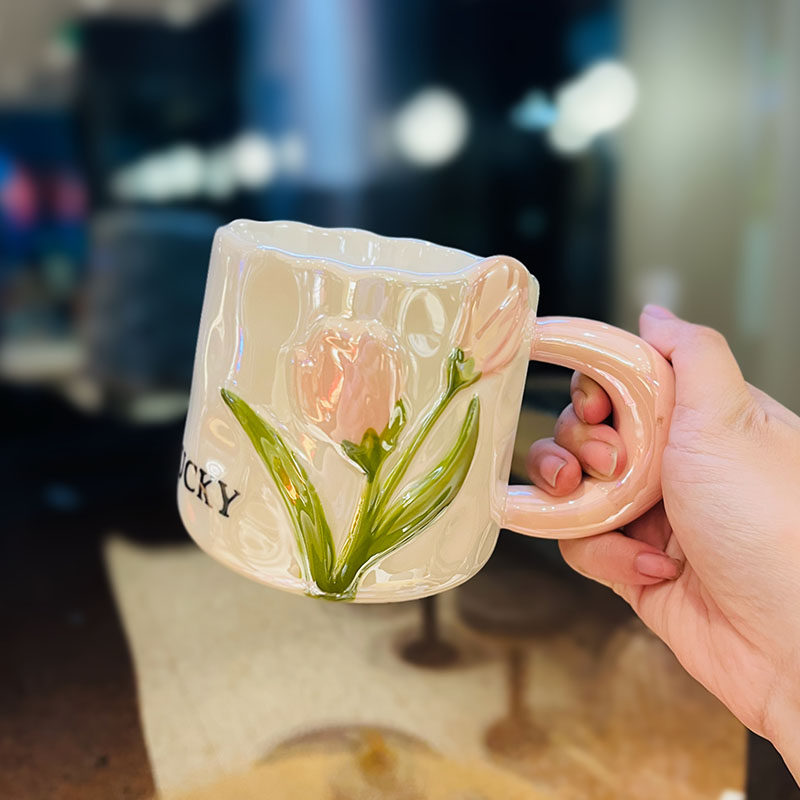
To start, select the appropriate adhesive based on the damage. If you are repairing a handle, look for the best glue for ceramic mug handle that offers flexibility and strength. Epoxy adhesives are often recommended due to their durability and resistance to water.
For minor cracks, a high-quality super glue or cyanoacrylate can suffice. Always check the manufacturer’s specifications to ensure compatibility with ceramics.
Surface Preparation
Proper surface preparation is critical for a successful adhesive bond. Follow these steps:
- Clean the Surfaces: Remove any dust, grease, or previous adhesive from the surfaces to be bonded. Use a soft cloth and mild soap if necessary; ensure the area is completely dry before proceeding.
- Align the Pieces: If you are reassembling broken parts, carefully align them to ensure a perfect fit. Misalignment can weaken the bond and lead to further damage.
Application of Glue
Once the surfaces are prepared, apply the glue as follows:
- Use a Thin Layer: Apply a thin, even layer of adhesive to one surface. Excess glue can create a messy appearance and may not cure properly.
- Press and Hold: After applying the glue, press the pieces together firmly and hold them in place for the recommended time specified by the manufacturer. This step is crucial for achieving a strong bond.
Curing Time
Allow the glue to cure completely before using the mug. Curing times can vary based on the type of adhesive used, but generally, it is advisable to wait at least 24 hours. Refer to the manufacturer’s guidelines for specific curing times.
Note: Some glues may require clamping or additional support during the curing phase to maintain alignment.
For further insights on adhesive properties and applications, you may refer to the Wikipedia page on adhesives. Understanding these aspects can enhance your ability to make informed decisions regarding the best ceramic glue for mugs.
Common Mistakes When Gluing Ceramic Mugs
When it comes to repairing ceramic mugs, several common mistakes can lead to ineffective bonding or damage. Understanding these pitfalls can help ensure a successful repair.
One of the primary errors is using the wrong type of adhesive. Not all glues are suitable for ceramic materials. For instance, using a standard craft glue might not provide the strength required for a mug handle, which endures considerable stress.
The best glue for ceramic mug handle should be specifically formulated for ceramics, such as epoxy or polyurethane-based adhesives, which offer superior strength and durability.
Another frequent mistake is insufficient surface preparation. Before applying the adhesive, it is crucial to clean both surfaces thoroughly. Dust, grease, or moisture can weaken the bond.
To properly prepare the surfaces, wash them with soap and water, then allow them to dry completely. A roughened surface can also improve adhesion. Lightly sanding the areas to be glued can create a better grip for the adhesive.
Additionally, many users underestimate curing time. Each adhesive has a specific curing time, and failing to allow the glue to set properly can result in a weak bond. It is advisable to follow the manufacturer’s instructions carefully.
For example, while some adhesives may set within a few minutes, they may require several hours or even days to reach full strength.
Important Note: Always read the label on the adhesive to ensure it is suitable for ceramics. For more information on different types of adhesives, consider visiting Wikipedia’s adhesive page.
Lastly, neglecting to use the appropriate amount of adhesive can lead to inadequate bonding. Applying too little glue can result in a weak joint, while using too much can cause overflow, which may affect the aesthetic of the mug. A thin, even layer of the best ceramic glue for mugs is often ideal for achieving a strong bond without excess mess.
By avoiding these common mistakes, you can ensure a more effective and lasting repair for your ceramic mugs.
Maintenance Tips for Glued Ceramic Mugs
Maintaining a glued ceramic mug requires careful attention to preserve its functionality and aesthetic appeal. Here are some essential tips to help you ensure longevity after using the best glue for ceramic mug repairs.
Careful Cleaning
When cleaning your ceramic mug, always use mild dish soap and warm water. Avoid abrasive cleaners or scouring pads, as they can damage the glued area. Instead, gently wash the mug by hand and dry it with a soft cloth.
Dishwashers can be harsh on glued items, so it’s advisable to avoid them altogether.
Temperature Considerations
Ceramic mugs are sensitive to temperature fluctuations. If your mug has been repaired with the best ceramic glue for mugs, be cautious when exposing it to extreme heat or cold. For instance, do not place a glued mug in the microwave or oven, as the heat may weaken the adhesive bond.
Avoiding Stress on the Handle
If your mug has been repaired with the best glue for ceramic mug handle, be particularly careful when lifting it. Excessive force can stress the handle and potentially lead to a break or a failure of the adhesive. Always handle your mug gently, ensuring not to put undue pressure on the glued areas.
Storage Tips
When storing your ceramic mug, avoid stacking it with other items, as this can lead to chipping or further damage to the glued sections. Instead, keep your mug in a safe, upright position, ideally in a cushioned environment to minimize any impact.
Warning: If you notice any signs of deterioration at the glued areas, such as cracks or visible separation, it is advisable to cease using the mug immediately to prevent injuries.
For more information on the properties and maintenance of ceramic materials, you can refer to Wikipedia’s page on ceramics. Following these maintenance tips will help you enjoy your repaired ceramic mug for years to come.
FAQ: Best Glue for Ceramic Mugs
FAQ: Best Glue for Ceramic Mugs
When it comes to repairing ceramic mugs, selecting the best glue for ceramic mugs is crucial to ensure durability and functionality. Here are some common questions regarding adhesives for ceramic mugs:
What is the best glue for ceramic mugs?
The best glue for ceramic mugs often depends on the specific requirements of your repair. For general repairs, epoxy adhesives are typically recommended due to their strong bonding capabilities and resistance to heat and moisture. Look for two-part epoxy formulations that are specifically designed for ceramics.
What is the best glue for ceramic mug handles?
For fixing mug handles, it is essential to use a strong adhesive that can withstand stress and strain. The best glue for ceramic mug handles is frequently cyanoacrylate glue (commonly known as super glue) or a high-strength epoxy. These adhesives provide a quick bond that can effectively support the weight and usage of the handle.
Is there a specific ceramic glue for mugs?
Yes, there are specialized products known as ceramic glues. The best ceramic glue for mugs should be non-toxic and dishwasher safe if you plan to use the mug after repair. Brands like Gorilla Super Glue Gel and Loctite Epoxy for ceramics are well-reviewed for their effectiveness in bonding ceramic materials.
Note: Always ensure that the adhesive you choose is safe for food contact if the mug will be used for drinking purposes.
How do I apply glue to a ceramic mug?
- Clean the surfaces: Remove any dirt, grease, or old adhesive from the surfaces to be bonded.
- Mix the adhesive: For epoxy, follow the manufacturer’s instructions for mixing the two components.
- Apply the glue: Use a small amount and spread it evenly on both surfaces.
- Join the pieces: Press them together firmly, ensuring proper alignment.
- Allow curing: Follow the recommended curing time for the adhesive to achieve optimal strength.
For additional information on adhesives and their properties, consider visiting Wikipedia’s Adhesive page.
Data Analysis
Best Glue for Ceramic Mugs
| Glue Brand | Type | Best Use |
|---|---|---|
| E6000 | Industrial Strength | General ceramic repairs |
| Gorilla Super Glue | Super Glue | Quick fixes for handles |
| Aleene’s Tacky Glue | Craft Glue | Artistic designs and decorations |
| Loctite Epoxy | Two-Part Epoxy | Strong bonds for heavy use |
Comparison of Ceramic Glues for Mugs
| Glue Type | Drying Time | Water Resistance |
|---|---|---|
| Super Glue | Fast (10-30 seconds) | Moderate |
| Epoxy | Slow (5-60 minutes) | High |
| Craft Glue | Moderate (1-2 hours) | Low |
| Silicone Adhesive | Varies (12-24 hours) | Very High |
Quick Answers As Expert Tips
What is the best glue for ceramic mug handles?
Quick Answer: Epoxy adhesive is the best choice for ceramic mug handles due to its strength and ability to bond well with ceramic materials.
When repairing the handles of ceramic mugs, it’s essential to use an adhesive that not only bonds well but can also withstand the stresses of daily use. Epoxy adhesives, such as two-part epoxies, create a robust bond that can resist temperature changes and moisture, making them ideal for this application. Additionally, these adhesives fill gaps effectively, ensuring a secure connection between the handle and the mug.
For optimal results, clean both surfaces thoroughly before applying the epoxy. Follow the manufacturer’s instructions for mixing and application, and allow sufficient curing time to ensure a strong bond. Once cured, the epoxy can be sanded down for a smoother finish if necessary, maintaining both the functionality and aesthetic of your ceramic mug.
What is the best ceramic glue for mugs?
Quick Answer: The best ceramic glue for mugs is a high-strength epoxy or a specialized ceramic adhesive like Gorilla Super Glue Gel.
Choosing the best ceramic glue for mugs involves selecting an adhesive that can withstand both heat and moisture while providing a strong bond. High-strength epoxies, such as those formulated specifically for ceramics, are excellent choices because they create durable bonds that can handle the rigors of everyday use. Alternatively, products like Gorilla Super Glue Gel are designed for ceramic repairs, offering quick-drying and strong adhesion properties.
When using ceramic glue, it’s crucial to prepare the surfaces by cleaning and drying them thoroughly. Apply the adhesive according to the product instructions, ensuring even coverage. For best results, clamp the pieces together during the curing process, which can take several hours or even days, depending on the adhesive used.
This will help ensure that the bond forms properly and the mug remains functional.
How do I repair a broken ceramic mug?
Quick Answer: To repair a broken ceramic mug, clean the broken edges, apply a strong adhesive like epoxy, and clamp the pieces together until the glue sets.
Repairing a broken ceramic mug can be a straightforward process if done correctly. Begin by cleaning the broken edges to remove any dust, grease, or debris that could hinder adhesion. Use a soft cloth and, if necessary, a mild detergent to ensure the surfaces are clean and dry before proceeding with the repair.
Next, apply a strong adhesive like epoxy or a specialized ceramic glue to one of the broken edges. Carefully position the pieces back together, ensuring they align correctly. It is advisable to use clamps or rubber bands to hold them in place while the adhesive cures, which can take several hours to a day, depending on the type of glue used.
Once cured, inspect the repair for any gaps and sand down rough edges if needed to restore the mug’s functionality and appearance.
Can I use super glue on ceramic mugs?
Quick Answer: Yes, you can use super glue on ceramic mugs, but ensure it’s a high-quality brand designed for ceramics for the best results.
Super glue, specifically cyanoacrylate glue, can be used on ceramic mugs, but its effectiveness largely depends on the brand and formulation. While it provides a quick bond and is easy to apply, not all super glues are created equal when it comes to heat and moisture resistance. For ceramic mugs, it’s best to choose a super glue that is marketed as suitable for ceramics, such as Gorilla Super Glue Gel, which offers better durability and gap-filling capabilities.
Before applying super glue, make sure the surfaces are clean and dry. Apply a small amount of glue to one surface and press the pieces together firmly. Hold them in place for about 10 to 30 seconds for an initial bond, but allow the glue to cure fully according to the manufacturer’s instructions for maximum strength.
Keep in mind that while super glue can work for minor repairs, it may not be as resilient as epoxy adhesives for larger or more critical breaks.
What adhesives are safe for ceramic mugs?
Quick Answer: Adhesives safe for ceramic mugs include epoxy adhesives, specialized ceramic glues, and some high-quality super glues designed for ceramics.
When selecting adhesives for ceramic mugs, safety and durability are paramount, especially if the mug will be used for food or beverages. Epoxy adhesives are among the safest and most effective options, providing strong bonds and moisture resistance. Many brands offer epoxies specifically formulated for ceramic repairs, ensuring a reliable fix that won’t compromise the mug’s integrity.
In addition to epoxy, there are specialized ceramic adhesives that are designed for use with ceramic materials. These adhesives often have properties that enhance their resistance to heat and moisture, making them suitable for kitchen use. High-quality super glues, particularly those labeled as safe for ceramics, can also be used, but it is essential to check for FDA approval or food safety certifications if the mug will hold food or drink.
Always read the product labels and follow the manufacturer’s guidelines for safe use.
Frequently Asked Questions
What is the best glue for ceramic mug repairs?
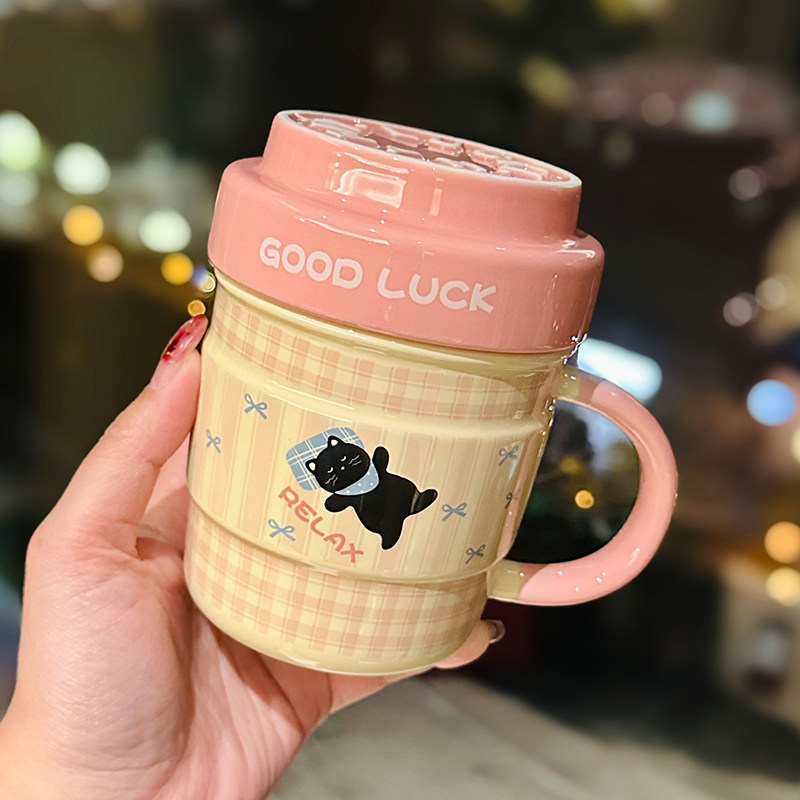
The best glue for ceramic mug repairs is epoxy adhesive. It creates a strong bond and is resistant to heat and water, making it ideal for ceramic materials.
Which glue is best for attaching a ceramic mug handle?
For attaching a ceramic mug handle, a high-strength epoxy or a cyanoacrylate glue works best. These adhesives provide a strong and durable bond that can withstand regular use.
Can I use super glue as the best ceramic glue for mugs?
Yes, super glue can be an effective ceramic glue for mugs, especially for small repairs. However, for larger breaks or heavy-duty use, an epoxy might be a better choice.
Is there a specific type of epoxy recommended for ceramic mugs?
Look for a two-part epoxy that is specifically labeled for ceramic use. These formulations are designed to bond well with ceramic surfaces and provide a durable finish.
How do I apply the best glue for ceramic mug repairs?
To apply the best glue for ceramic mug repairs, clean the surfaces to be bonded, mix the epoxy if using, and apply it evenly. Hold the pieces together until the adhesive sets, following the manufacturer’s instructions.
Key Takeaways
- The best glue for ceramic mugs is epoxy adhesive known for its strong bond and durability.
- For repairing a ceramic mug handle, look for a glue specifically designed for high-stress areas.
- Cyanoacrylate glue is a quick option for minor repairs on ceramic mugs, providing a fast bond.
- Consider using a food-safe adhesive if the mug will be used for drinking after repair.
- Always clean the surfaces thoroughly before applying the best ceramic glue for mugs to ensure a strong bond.
- Some ceramic glues can withstand dishwasher and microwave use, making them ideal for everyday mugs.
- Read product labels carefully to ensure the glue meets specific needs for ceramic mug repairs.
Further Reading
Sources
Conclusion
When selecting the best glue for ceramic mug repairs, several factors must be considered to ensure longevity and functionality. The ideal adhesive should not only bond effectively but also withstand the rigors of everyday use. For ceramic mugs, especially those with handles that are prone to stress, finding the best glue for ceramic mug handle is crucial.
One of the most recommended options is epoxy adhesive, known for its strong bonding properties. Epoxy typically consists of two components—resin and hardener—which, when mixed, create a robust bond that can endure heat and moisture. This makes it an excellent choice for ceramic mugs, as it can withstand the typical conditions encountered in daily use.
Another viable option is cyanoacrylate glue, commonly referred to as super glue. This adhesive is convenient for quick repairs due to its fast-drying nature. However, it may not be the best choice for items that will be subjected to frequent washing, as its bond could weaken over time.
Therefore, it is essential to consider the specific use case when choosing the best ceramic glue for mugs.
For those seeking a more specialized solution, there are adhesives specifically formulated for ceramics. These products often come with instructions tailored to ensure optimal bonding and durability. It’s important to follow the manufacturer’s guidelines to achieve the best results.
Note: Avoid using regular white glue or craft glue for ceramic repairs, as these types lack the strength required for durable bonding.
In summary, whether you opt for epoxy, cyanoacrylate, or a specialized ceramic adhesive, understanding the properties and applications of each will guide you in selecting the most effective adhesive for your ceramic mug repair needs. For more in-depth information on adhesives and their uses, you may refer to resources like Wikipedia’s Adhesive page.
