
Mugs And Jugs
Mugs and Jugs: the Ultimate Guide to Drinkware Choices
Jan
Exploring Mugs and Jugs: The Perfect Drinkware for Every Occasion
Quick Answer: Mugs and jugs serve different purposes, with mugs typically used for hot beverages and jugs designed for serving larger quantities of liquids. Their designs and materials also vary significantly based on their intended use.
Introduction to Mugs and Jugs
Mugs and jugs are two versatile types of drinkware that have been utilized for centuries, each serving distinct purposes and embodying unique characteristics. While both are designed for holding liquids, their shapes, sizes, and traditional uses vary significantly.
Mugs are typically defined as cylindrical containers with a handle, commonly used for hot beverages such as coffee, tea, or hot chocolate. They come in a variety of materials, including ceramic, glass, and stainless steel, which allows for a wide range of designs, colors, and functionalities. The standard capacity of a mug often ranges from 8 to 16 ounces, making them ideal for single servings.
In recent years, specialty mugs, like the mug stein, have gained popularity, often featuring decorative elements and cultural motifs. The mug beer stein, for example, is a specific type of mug designed for serving beer, characterized by its larger size and more ornate designs.
On the other hand, jugs are generally larger containers designed for holding and pouring liquids. They often feature a spout for controlled pouring and can be used for a variety of beverages, including water, lemonade, and even alcoholic drinks. Jugs can be made from materials such as glass, ceramic, or plastic and are often used in both formal and informal settings.
Their larger capacity, which can range from one quart to several gallons, makes them suitable for serving multiple people at once.
In summary, while mugs and jugs both serve the fundamental purpose of holding liquids, their distinct designs and intended uses cater to different drinking experiences. Understanding these differences can enhance the enjoyment of beverages, whether at home or in social settings. For further insights into the historical context and evolution of these items, you can explore Wikipedia’s entry on drinkware.
Key Takeaways
Key takeaways regarding mugs and jugs reveal the versatility and cultural significance of these vessels. Understanding their functions and variations can enhance appreciation for their use in everyday life as well as in specific settings.
-
Mugs and Jugs Defined: A mug is typically a cylindrical container with a handle, designed for holding beverages like coffee or tea. In contrast, a jug is a larger vessel often used for storing and pouring liquids, such as water or juice. Both serve essential roles in daily routines and social gatherings.
-
Types of Mugs: Among the various designs, the mug stein and mug beer stein are notable for their historical and cultural value. A mug stein usually features a lid and is often crafted from ceramic or pewter, making it a popular choice for beer enthusiasts. The mug beer stein specifically caters to the beer-drinking community, often adorned with intricate designs and motifs reflecting local traditions.
-
Cultural Significance: Mugs and jugs are not merely functional items; they also carry cultural meanings. For instance, in many societies, sharing a drink from a jug or raising a mug during a toast signifies camaraderie and celebration.
-
Material and Design: Both mugs and jugs come in various materials, including ceramic, glass, and stainless steel. Each material offers distinct advantages—ceramics provide aesthetic appeal and insulation, while stainless steel is valued for its durability and practicality.
-
Environmental Considerations: With the rise of sustainability awareness, many consumers are turning to eco-friendly alternatives. Reusable mugs and jugs are increasingly favored over disposable options, contributing to a reduction in waste and promoting environmentally responsible choices.
For further reading on the history and evolution of these essential vessels, consider visiting Wikipedia’s page on drinking vessels.
Types of Mugs: A Closer Look
Mugs come in various styles and designs, serving both functional and aesthetic purposes. Here, we will delve into some popular types of mugs, highlighting their unique features and uses.
Standard Mugs
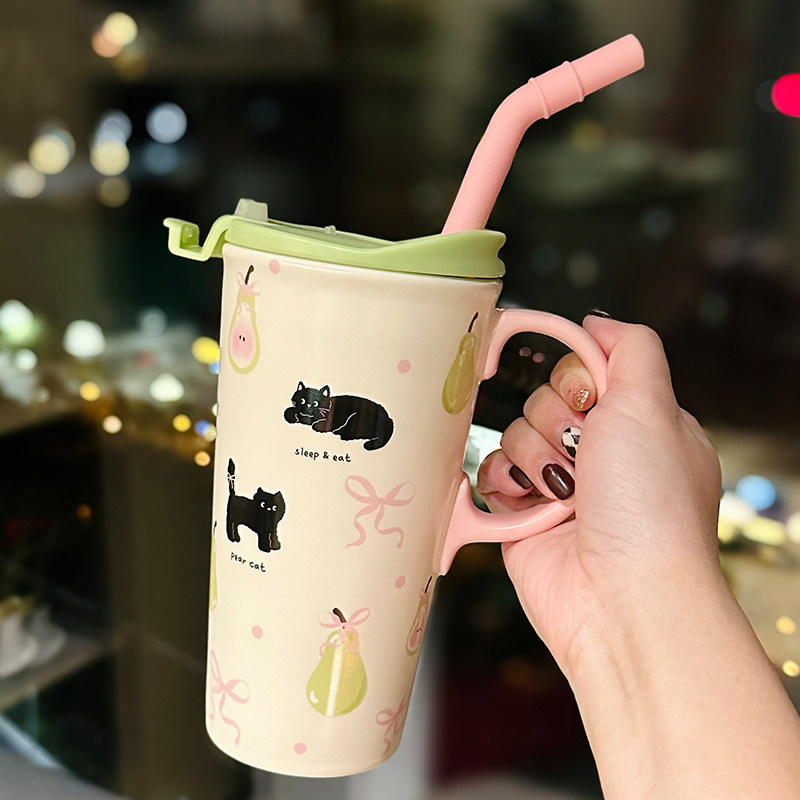
The classic standard mug is the most commonly recognized type, typically featuring a cylindrical shape and a handle. These mugs are ideal for serving hot beverages, such as coffee or tea. Made from materials like ceramic, porcelain, or glass, they often come in various colors and designs, making them suitable for everyday use or special occasions.
Travel Mugs
Designed for convenience, travel mugs are insulated and often feature a lid to prevent spills. These mugs are perfect for individuals on the go, allowing them to enjoy their favorite drinks while commuting or traveling. Travel mugs are usually made from stainless steel or durable plastic, ensuring that beverages remain at their desired temperature for extended periods.
Mug Steins
A fascinating variation of traditional mugs is the mug stein. Often associated with German culture, these steins are typically larger and made from materials such as stoneware or pewter. They often feature intricate designs or motifs and are commonly used for serving beer. The mug beer stein is particularly popular at festivals and gatherings, where they add a touch of tradition to the drinking experience.
Specialty Mugs
In addition to the common types, there are specialty mugs designed for specific beverages or occasions. For instance, espresso mugs are smaller, designed specifically for serving concentrated coffee shots, while soup mugs may feature larger handles and a wider bowl shape to accommodate hearty soups.
Each of these types of mugs serves a distinctive purpose, catering to a range of preferences and needs. For a more in-depth understanding of various mug styles and their historical significance, you can refer to Wikipedia’s article on mugs.
In summary, the world of mugs and jugs is rich with variety, offering options for every beverage enthusiast. Whether you’re sipping a cup of coffee from a standard mug or enjoying a refreshing beer from a mug stein, there’s a design that fits your needs perfectly.
Understanding Mug Stein: History and Usage
The mug stein is a particular type of drinking vessel that has its origins deeply rooted in European history, particularly in Germany. Traditionally crafted from materials such as stoneware, pewter, or glass, these vessels are characterized by their large capacity, sturdy handle, and often a hinged lid. The design of a mug beer stein not only serves a functional purpose but also reflects the cultural heritage surrounding beer consumption in various European regions.
Historical Background
The earliest examples of mug steins date back to the 14th century when the need for sanitary drinking vessels arose during the Black Death. To prevent contamination from insects and debris, steins were fitted with lids, a feature that has become one of their most distinctive characteristics. As beer became an integral part of social gatherings, the designs evolved, incorporating intricate decorations and motifs, often depicting local legends, events, or even folk tales.
Usage and Cultural Significance
Today, the mug stein is synonymous with beer culture and is often used during festivals, particularly Oktoberfest in Germany, where the consumption of beer from steins is a celebrated tradition. Beyond mere functionality, these vessels are often collected as works of art, showcasing craftsmanship and cultural narratives.
The capacity of a typical mug stein ranges from half a liter to over a liter, making it ideal for communal drinking. Many modern steins also come with features such as ceramic or glass construction, which help to maintain the temperature of the beer, enhancing the drinking experience.
For those interested in deepening their knowledge on the historical aspects of beer steins, a visit to Wikipedia’s Beer Stein page provides an extensive overview of their evolution and cultural significance across different regions.
The mug stein therefore stands as not just a drinking vessel, but as a significant cultural artifact that embodies the social practices and artistic expressions of its time.
Choosing the Right Mug Beer Stein
When selecting a mug beer stein, it is essential to consider several factors to ensure that you choose the right one for your needs. The mug beer stein is not merely a decorative item; it serves practical purposes, particularly in social and celebratory contexts, such as beer festivals or casual gatherings.
Material Matters
The material of the stein significantly influences its durability and thermal retention. Common materials include:
- Ceramic: Offers excellent insulation and a classic appearance but can be prone to chipping.
- Glass: Provides a stylish look and allows for visual appreciation of the beverage, although it may not retain heat as effectively.
- Stainless Steel: Known for its durability and resistance to corrosion, stainless steel is ideal for outdoor use but may lack the traditional aesthetic of ceramic or glass options.
Capacity and Size
When choosing a mug beer stein, consider the capacity that fits your drinking habits. These steins typically come in various sizes, ranging from 0.5 liters to over 2 liters. A larger capacity is advantageous for enjoying more significant quantities of beer, while smaller options may be more suitable for casual sipping.
Design and Personalization
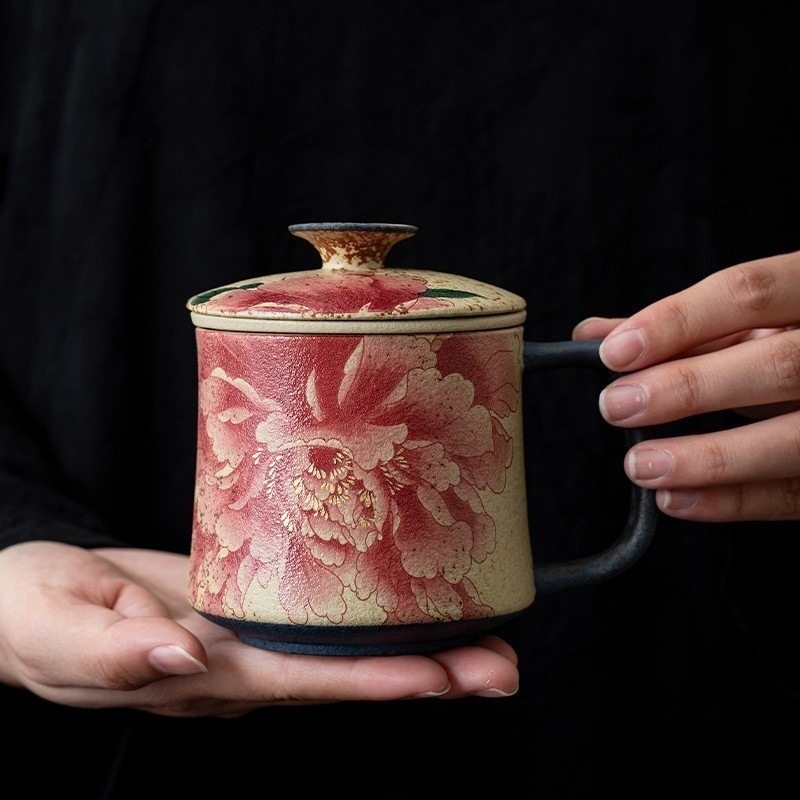
Aesthetics play a vital role in the selection process. Many steins feature intricate designs, engravings, or themed motifs that reflect personal interests or significant events. Customization options allow for personalized messages or images, making the stein a meaningful gift or keepsake.
Note: Ensure that the design does not compromise the functionality of the stein, such as its ability to withstand regular use or its ease of cleaning.
Community and Cultural Significance
In some cultures, particularly in Germany, the mug beer stein holds historical significance and is often used in traditional beer-drinking ceremonies. Understanding these cultural contexts can enhance the appreciation of the stein and its role in social settings.
For more information on the history and cultural significance of beer steins, you can visit Wikipedia’s Beer Stein page.
By considering these factors when selecting your mug beer stein, you can ensure that it meets both functional and aesthetic needs, enhancing your overall beverage experience.
Caring for Your Mugs and Jugs
Caring for your mugs and jugs is essential for maintaining their aesthetic appeal and functionality over time. Whether you own a simple coffee mug, an ornate mug stein, or a traditional mug beer stein, proper care can enhance their longevity and performance.
Cleaning Techniques
-
Hand Washing: It is generally recommended to hand wash your mugs and jugs to prevent scratches and damage. Use a soft sponge and mild dish soap. Avoid abrasive cleaners, as they can mar the surface, particularly if your items feature intricate designs or decals.
-
Dishwasher Use: If your mugs and jugs are labeled as dishwasher-safe, you may choose to clean them in the dishwasher. However, to preserve the integrity of any decorative elements, placing them on the top rack is advisable.
-
Avoiding Extreme Temperatures: Sudden temperature changes can lead to cracking or breaking. When cleaning, use lukewarm water rather than hot or cold extremes. Additionally, refrain from placing hot mugs directly in cold water or vice versa.
Storing Your Mugs and Jugs
Proper storage is just as crucial as cleaning. Here are some tips:
- Vertical Storage: Store mugs upright to prevent scratches and to keep them dust-free. If space allows, consider using a dedicated mug tree or rack.
- Avoid Stacking: While some jugs may be stackable, avoid stacking mugs unless they are designed for such use. This helps prevent chips and breaks.
Warning: Always check the manufacturer’s instructions regarding care; some ceramic or glass mugs and jugs may have specific needs that vary from standard care practices.
Special Considerations for Decorative Items
For decorative mugs and jugs, such as those with intricate designs or historical significance, additional care may be necessary:
- Dusting: Regularly dust these items with a soft cloth to avoid buildup that can dull their appearance.
- Display: Consider using display cases to protect these items from dust and accidental damage while allowing them to be showcased.
By adhering to these care guidelines, you can ensure that your mugs and jugs remain in excellent condition, enhancing both their utility and beauty for years to come. For more detailed information, you may refer to the Wikipedia page on ceramics.
The Role of Mugs and Jugs in Celebrations
The use of mugs and jugs in celebrations spans cultures and time periods, serving both functional and symbolic purposes. These vessels are not only practical for serving beverages but also enhance the overall festive atmosphere.
The Significance of Mugs in Celebrations
Mugs are often associated with warmth and camaraderie. During gatherings, they are commonly used to serve hot beverages like coffee, tea, or cocoa, making them integral to social interactions. The design of a mug can also reflect the theme of the celebration; for instance, custom mugs featuring the names or images of guests can serve as personalized keepsakes.
In many cultures, special occasions like birthdays or holidays see the use of uniquely crafted mug steins. These are often embellished with intricate designs or messages, making them not just drinkware but also art pieces that evoke memories of the event. The communal act of raising a mug in toast signifies unity and shared joy among participants.
The Role of Jugs in Festivities
On the other hand, jugs traditionally serve as vessels for larger quantities of liquids, making them ideal for gatherings. They can hold everything from punch to beer, often complementing the drinks served in mugs. The act of pouring drinks from a jug can become a ceremonial part of the event, enhancing the sense of festivity and celebration.
Mug beer steins, in particular, hold cultural significance in many regions, especially in German traditions. These steins are often used during beer festivals, where they are filled with local brews and raised in celebration of community and heritage.
In summary, the roles of mugs and jugs in celebrations extend beyond mere utility; they are vessels of connection, tradition, and memory. For those interested in learning more about the history and cultural significance of these vessels, resources like Wikipedia provide comprehensive insights.
Conclusion: The Enduring Appeal of Mugs and Jugs
The charm of mugs and jugs lies in their dual functionality and aesthetic appeal, transcending cultures and generations. These vessels have been integral in various societies, serving not only as practical items for everyday use but also as symbols of artistry and tradition.
Mugs, particularly those such as the mug stein and mug beer stein, are cherished for their ability to enhance the drinking experience. The design of a mug stein, often adorned with intricate artwork or inscriptions, creates a connection to heritage and festivities. The functionality of a mug extends beyond mere consumption; it allows for personalization, making these items perfect for gifting or commemorating special occasions.
In contrast, jugs offer a broader range of uses, from serving beverages to acting as decorative pieces. Historically, jugs have been employed in various contexts, from kitchenware to ceremonial artifacts. Their versatility is unmatched; they can hold water, wine, or even serve as a base for floral arrangements.
The craftsmanship involved in producing jugs, often highlighted through traditional glazing techniques, showcases the skill and creativity of artisans.
The enduring appeal of these items can also be attributed to the nostalgic connections people have with them. Mugs and jugs are often associated with family gatherings, celebrations, and comforting routines. They evoke memories of shared meals, festive toasts, and quiet moments over a warm beverage.
Moreover, the rise of artisanal and handmade mugs and jugs in recent years has rekindled interest in these traditional vessels. Consumers are increasingly drawn to unique, handcrafted pieces that reflect their individuality and values. By choosing locally made or sustainably sourced options, buyers support artisanship while enhancing their personal spaces.
For further insights into the history and design of these items, consider exploring resources like Wikipedia that delve into the cultural significance and evolution of mugs and jugs throughout time.
Data Analysis

Mugs vs Jugs Comparison
| Type | Capacity (ml) | Common Use |
|---|---|---|
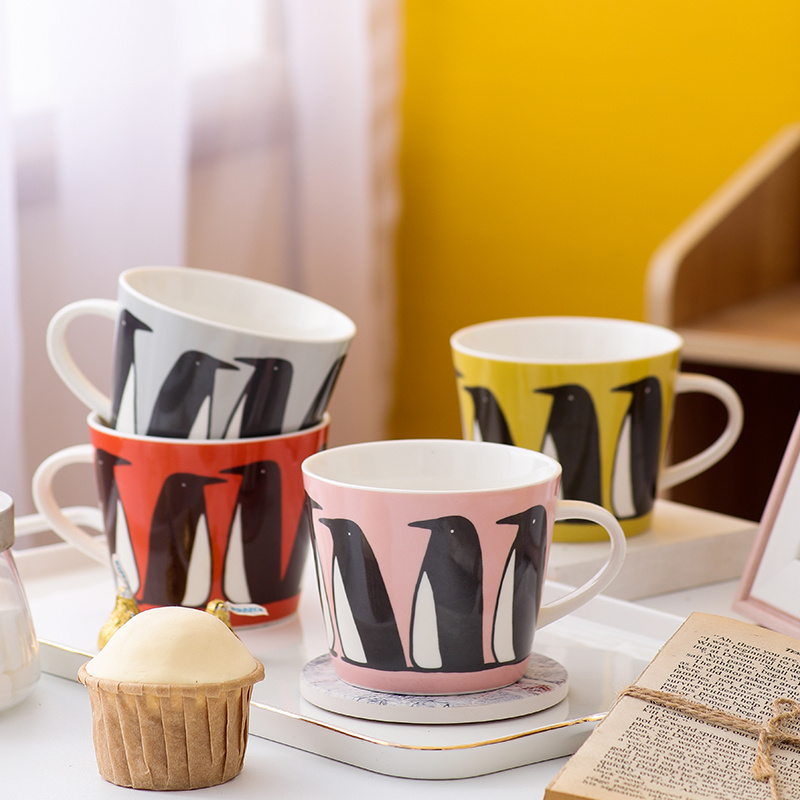
| Mug | 250-500 | Hot beverages |
| Jug | 1000-2000 | Cold beverages |
| Beer Stein | 500-1000 | Beer serving |
Mug Stein Variations
| Type | Material | Design |
|---|---|---|
| Ceramic Mug Stein | Ceramic | Classic designs |
| Glass Mug Stein | Glass | Engraved patterns |
| Metal Mug Stein | Metal | Vintage styles |
Quick Answers As Expert Tips
What is a mug stein?
Quick Answer: A mug stein is a type of beer mug that often features a hinged lid and a handle.
These steins can vary in size but typically hold about a pint of liquid. The unique design not only serves practical purposes but also enhances the experience of drinking beer, especially in social settings. Collectors often seek out specialized steins, making them a blend of utility and artistry.
How does a mug beer stein differ from regular mugs?
Quick Answer: A mug beer stein differs from regular mugs primarily in its design features, such as a lid and thicker walls.
Additionally, beer steins often have decorative elements that celebrate cultural traditions or commemorate events, setting them apart from standard mugs that may feature simpler designs. The stein’s handle is usually larger, allowing for a secure grip, which is particularly useful during spirited gatherings or celebrations.
What are the best materials for mugs and jugs?
Quick Answer: The best materials for mugs and jugs include ceramic, glass, stainless steel, and plastic, each offering unique benefits.
Stainless steel is another excellent choice, particularly for travel mugs and jugs, as it offers durability and insulation, keeping beverages hot or cold for extended periods. Plastic mugs and jugs are lightweight and resistant to breakage, making them suitable for outdoor use and family gatherings. Each material has its own advantages, and the choice often depends on the intended use and personal preference.
Can you use a jug for beer or just for beverages like water?
Quick Answer: You can use a jug for beer as well as other beverages, though it is often associated with water or juice.
However, it’s essential to choose a jug that is appropriate for the beverage type. For instance, glass or ceramic jugs are typically more suitable for beer, as they do not impart flavors like certain plastics might. Ultimately, the use of jugs for beer can add a refreshing touch to social events, offering a practical and stylish way to serve drinks.
What are some popular designs for mugs and jugs?
Quick Answer: Popular designs for mugs and jugs include classic styles, themed graphics, and personalized engravings.
Jugs, too, come in various designs, often influenced by their intended use. For instance, decorative jugs for serving wine might feature intricate artwork, while utilitarian jugs for water could have a more minimalist approach. Modern trends also see jugs made with eco-friendly materials, promoting sustainability while still showcasing attractive designs that can enhance any table setting.
Frequently Asked Questions
What are the main differences between mugs and jugs?
Mugs are typically smaller, designed for individual servings of beverages like coffee or tea. Jugs, on the other hand, are larger containers used for serving drinks in bulk, such as water or juice.
What is a mug stein?
A mug stein is a type of mug, often made of ceramic or glass, that features a handle and a lid. It is traditionally used for serving beer and often has decorative designs.
Can I use a mug beer stein for hot beverages?
Yes, a mug beer stein can be used for hot beverages, but it is essential to ensure that the material is heat-resistant. Many steins are designed for both hot and cold drinks, making them versatile.
How do I choose the right mug for my needs?
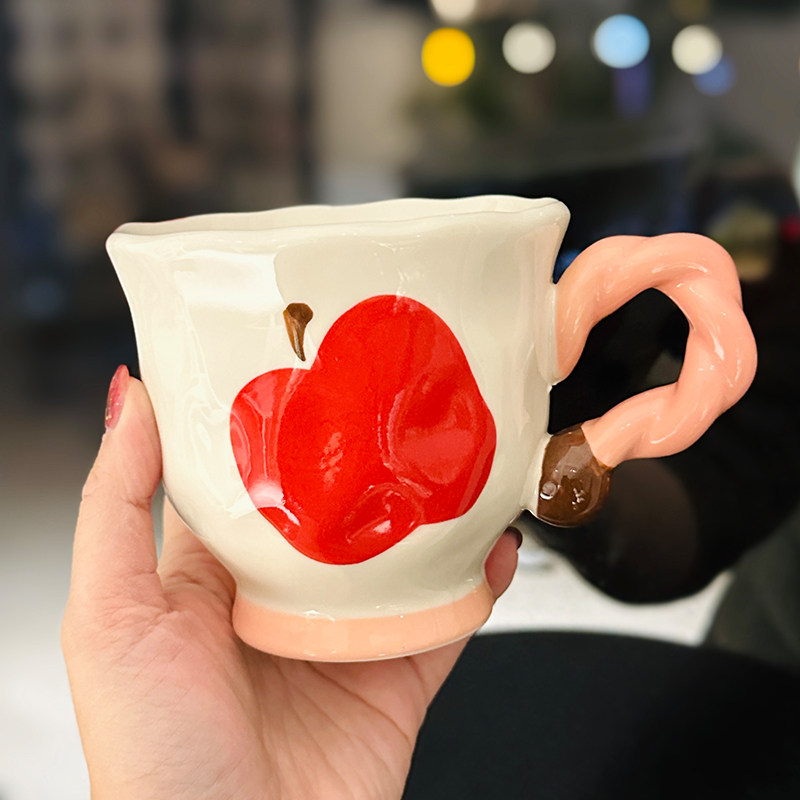
When choosing a mug, consider the size, material, and design that suits your preferences. If you enjoy beer, a mug beer stein may be ideal, while a simple ceramic mug is great for coffee or tea.
Are mugs and jugs dishwasher safe?
Many mugs and jugs are dishwasher safe, but it is crucial to check the manufacturer’s instructions. Some decorative or handmade items may require hand washing to maintain their appearance.
Further Reading
Sources
Conclusion
The world of mugs and jugs encompasses a wide variety of styles and functions, reflecting both practical uses and cultural significance. Mugs, typically designed for hot beverages, can range from everyday ceramic options to more specialized types like the mug beer stein, which often features intricate designs and is used primarily for consuming beer. These steins have deep historical roots, particularly in German culture, where they are often associated with beer gardens and festivals.
In contrast, jugs serve a broader purpose, primarily designed for storing and pouring liquids, which can include anything from water to beverages like wine or cider. The design of jugs can vary significantly, with some featuring handles for easy pouring, while others may be more decorative in nature. This versatility makes jugs an essential item in both domestic and commercial settings.
When considering the purchase of mugs and jugs, it is essential to assess their intended use. For instance, a mug stein is ideal for gatherings where beer is served, as its larger size accommodates the social aspect of sharing drinks. Conversely, a simple ceramic mug may be more suitable for casual home use or office settings.
While aesthetics play a significant role in the selection process, functionality should not be overlooked. For example, materials such as porcelain or stoneware offer durability and thermal insulation, making them ideal for hot beverages. Additionally, it is advisable to consider ease of cleaning and maintenance, especially for items intended for everyday use.
Overall, the choice between mugs and jugs ultimately boils down to personal preference and specific needs. For those interested in exploring the historical context and variations of these vessels, resources such as Wikipedia provide valuable insights into their evolution and cultural significance.
